
So Little Done, So Much to Do
 By Pastor Jerry A. Burns
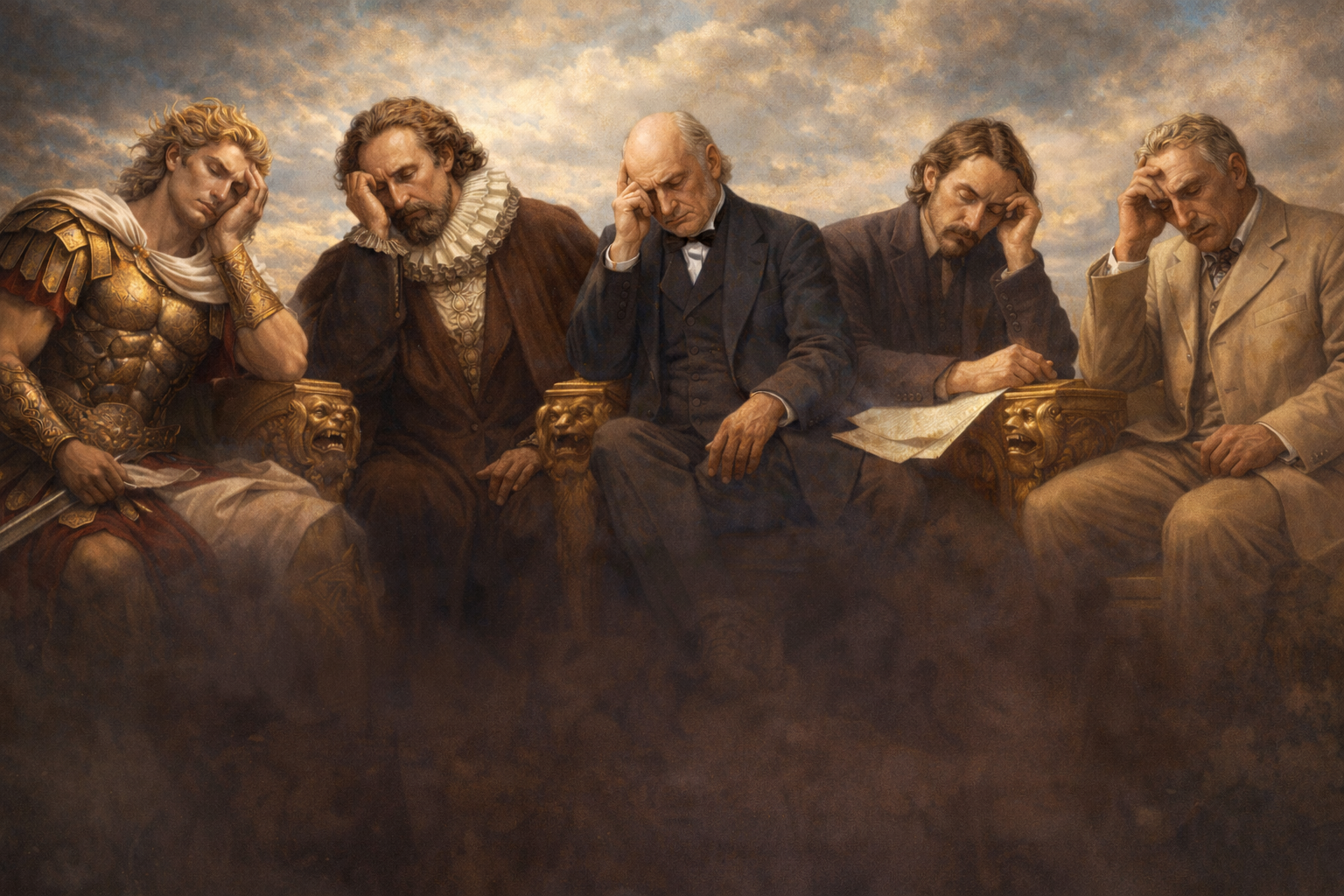
History gives us some of the most accomplished men the world has ever known—and yet, at the end of their lives, many of them felt empty. Alexander the Great conquered vast territories, yet wept because there was no more world to conquer. Hugo Grotius, called the father of modern international law, said he had accomplished nothing worthwhile. John Quincy Adams felt his life had been spent in vain aspirations. Robert Louis Stevenson believed he had “failed much.” Cecil Rhodes whispered, “So little done, so much to do.” These were not lazy men. They were driven, accomplished, and admired—yet at the finish line, they felt unfinished.
Solomon understood that feeling. After building, planting, expanding, and achieving more than most could imagine, he stepped back and said it was “vanity and vexation of spirit.” Why? Because accomplishments without eternal purpose never satisfy the soul. Success can fill a résumé, but it cannot fill the heart. Applause fades. Titles pass on to others. Even empires crumble. If our identity is rooted only in what we build “under the sun,” we will always feel there was more left undone.
But here is the hope for the believer: our worth is not measured by how much we accomplish, but by whose we are. Jesus did not say, “Well done, thou good and successful servant.” He said, “Well done, thou good and faithful servant.” Faithfulness, not fame, is heaven’s measurement. When we live for Christ—serving our families, loving our church, walking humbly with God—nothing done for Him is ever wasted. One day, in His presence, there will be no regret of “so little done,” only the joy of hearing His approval.
1. What biblical principle explains why earthly accomplishments cannot ultimately satisfy the human soul?
2. How does Solomon’s conclusion of “vanity and vexation of spirit” in Ecclesiastes reflect the doctrine of life lived “under the sun” without eternal perspective?
3. What does Scripture teach about the difference between temporal success and eternal significance?
4. How does the fall of man and the reality of sin affect humanity’s pursuit of meaning and accomplishment?
5. According to Scripture, where is true fulfillment and purpose found for the believer?
6. What does Jesus’ statement, “Well done, thou good and faithful servant,” teach about God’s standard for evaluating a believer’s life?
7. How does the doctrine of stewardship relate to the idea of faithfulness in the Christian life?
8. In what way does living for Christ transform ordinary acts of service into works with eternal value?
9. How should the promise of eternal rewards influence the way believers view their work and service for God?
10. How does the believer’s identity in Christ provide security and meaning beyond personal accomplishments?
Ask yourself honestly—am I chasing accomplishments, or am I pursuing faithfulness? Shift your focus from building a name for yourself to living for the name of Christ. What is done for Him will last forever.
"The righteous shall be glad in the LORD, and shall trust in him; And all the upright in heart shall glory." — Psalm 64:10
Daily Scripture Reading
Join us as we read through the Bible in one year, growing together in God’s Word day by day. Click on any underlined verse to access Pastor Burns’ helpful study notes and deeper insights.
Leviticus 19-20
(Leviticus 20)
Mark 9:30-50
Search for any scripture above to begin.
This Week's Radio Program
Week Fourteen • April 5, 2026

Trusting God With Tomorrow (Pt. 1)
On this Resurrection Sunday, we are reminded that because Jesus lives, we can face tomorrow with confidence and hope. In this message, “Trusting God with Tomorrow,” we are brought face to face with a powerful truth from Scripture—while we often plan our days and assume the future, the Bible teaches us that life is fragile, uncertain, and completely in God’s hands. As James reminds us, our life is “even a vapour” that appears for a little time and then vanishes away . The issue is not planning, but planning without God—living as though we are in control of what only God knows.
This message walks through the heart of biblical trust: having a proper perspective of tomorrow, a humble posture before God today, and a surrendered plan that says, “If the Lord will.” Whether facing uncertainty, fear, or the illusion of control, we are called to draw near to God, rest in His care, and trust that His will is good, even when tomorrow is unknown. Because Christ has risen, our future is secure—not in our plans, but in His perfect hands.